
International Conference and Expo on
Clinical Microbiology
June 17-18, 2022 | Online Event
AIDS, HIV and STDs
The human immunodeficiency virus (HIV) is a virus that causes infection in humans. The human immunodeficiency virus (HIV) attacks the immune system, weakening people's defenses against a variety of illnesses and cancers that healthy immune systems can combat. Infected people become immunodeficient as the virus destroys and inhibits the function of immune cells. The CD4 cell count is commonly used to assess immune function. The most advanced stage of HIV infection is acquired immunodeficiency syndrome (AIDS), which, depending on the individual, can take many years to develop if not treated. The development of certain tumours, infections, or other serious long-term clinical symptoms is what defines AIDS. The acronym AIDS refers to acquired immunodeficiency syndrome. It is the last stage of HIV infection. It occurs when the body's immune system is severely harmed by a virus. AIDS does not affect everyone who has HIV.
A sexually transmitted disease (STD) is a condition that is spread from one person to another through sexual intercourse. By having unprotected vaginal, anal, or oral sex with someone who has the STD, a person can contract the disease. A sexually transmitted infection (STI) or venereal disease (VD) is another name for an STD.
- AIDS & Behaviour
- Complications of HIV Infection
- Diagnosis and Evalu?ation of HIV Infection
- HIV Infection and Pregnancy
- Post-Exposure and Pre-Exposure Prophylaxis
- Prophylaxis and Treatment of Opportunistic Infections
- Public Health and HIV Prevention
- Sexually Transmissible Infections
- Treatment Failure and Resistance Testing
- Treatment of HIV Infection
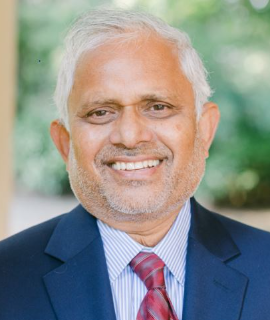
Muhammad Morshed
University of British Columbia, Canada
AC Matin
Stanford University, United States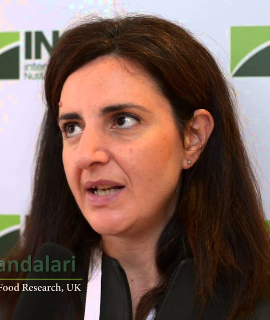
Giuseppina Mandalari
University of Messina, Italy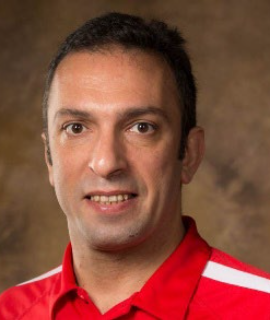
Adnan Alrubaye
University of Arkansas, United States
Iti Saraav
Washington University in St Louis, United States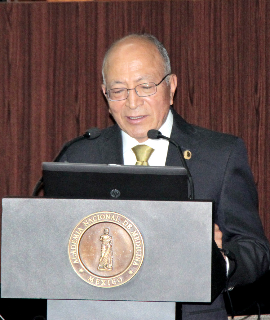
Miguel Cruz
Mexican Social Security Institute., Mexico
Miguel Vazquez Moreno
Mexican Social Security Institute, Mexico

Title : Multidrug resistance in burn patients
Dimple Sethi Chopra, Punjabi University, India
Title : CRISPR/Cas12a-powered ultrasensitive immunosensing for the detection of single microorganisms
Fei Deng, University of New South Wales, Australia
Title : Interpretation of non-responders to SARS CoV 2 vaccines using WHO International Standard
Xu Yang, Shanghai University of Medicine and Health Sciences, China
Title : COVID 19 pandemic; a complex mixture of co-infection and comorbidity
Hem Chandra Jha, Indian Institute of Technology Indore, India
Title : O GlcNAcylation enhances sensitivity to RSL3 induced ferroptosis via the YAP TFRC pathway in liver cancer
Abduh Murshed, Tongji University, China
Title : Applications of Artificial Intelligence in Clinical Microbiology Diagnostic Testing
P Hema Prakash Kumari, GITAM Institute of Medical Sciences and Research, India