
International Conference and Expo on
Clinical Microbiology
June 17-18, 2022 | Online Event
Antimicrobials and Chemotherapy
The administration of medications having selective toxicity towards microorganisms implicated in infections, rather than host cells, is known as antimicrobial chemotherapy. Antibiotics, that are antimicrobial agents, are among the most widely used antimicrobials. Antimicrobial chemotherapy is used to treat infectious diseases by attacking the bacteria that cause them with medicines that have specific toxicity against them. These medications' selective toxicity causes severe damage to pathogens while causing minimal harm to the host. The existence of exploitable metabolic differences between infections and host cells is required for such selective toxicity to be feasible. Chemotherapeutic drugs can target pathogen activities that are exclusive to pathogens and not found in the host, or pathogen functions that are shared by the host but differ in relevance between pathogen and host, or pathogen functions that are comparable but not identical to those in the host.
- Antimicrobial and Antiparasitic Agents
- Isolation, Identification, Or Epidemiology of Microorganisms
- Quality Control Procedures
- Commercial Applications

Muhammad Morshed
University of British Columbia, Canada
AC Matin
Stanford University, United States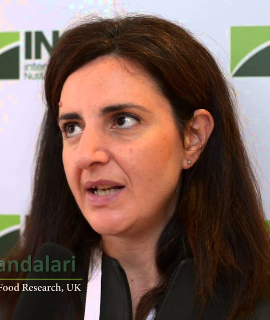
Giuseppina Mandalari
University of Messina, Italy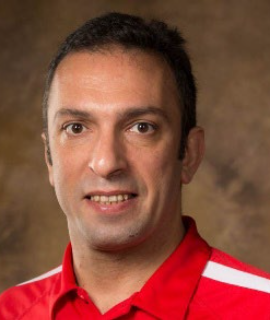
Adnan Alrubaye
University of Arkansas, United States
Iti Saraav
Washington University in St Louis, United States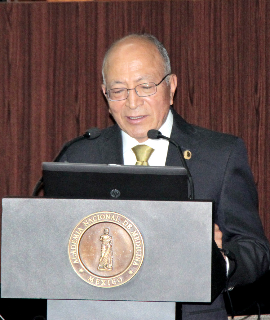
Miguel Cruz
Mexican Social Security Institute., Mexico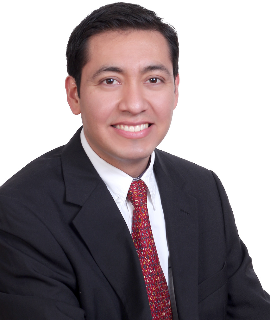
Miguel Vazquez Moreno
Mexican Social Security Institute, Mexico

Title : Multidrug resistance in burn patients
Dimple Sethi Chopra, Punjabi University, India
Title : CRISPR/Cas12a-powered ultrasensitive immunosensing for the detection of single microorganisms
Fei Deng, University of New South Wales, Australia
Title : Interpretation of non-responders to SARS CoV 2 vaccines using WHO International Standard
Xu Yang, Shanghai University of Medicine and Health Sciences, China
Title : COVID 19 pandemic; a complex mixture of co-infection and comorbidity
Hem Chandra Jha, Indian Institute of Technology Indore, India
Title : O GlcNAcylation enhances sensitivity to RSL3 induced ferroptosis via the YAP TFRC pathway in liver cancer
Abduh Murshed, Tongji University, China
Title : Applications of Artificial Intelligence in Clinical Microbiology Diagnostic Testing
P Hema Prakash Kumari, GITAM Institute of Medical Sciences and Research, India