
International Conference and Expo on
Clinical Microbiology
June 17-18, 2022 | Online Event
Microbiome and Microbial Ecology in Health
Prokaryotic life was the first living form on Earth, and bacteria assisted in the evolution of all Eukaryotic life. Archaea, fungi, protists, and viruses are all part of the animal-associated microbiome. The microbiome refers to the genomes of the microbial life that is connected with the host. Microbiomes ensure the development of immunity, physiology, and disease resistance throughout the mammalian tree. All surfaces and cavities in humans are colonised by a microbiome, which is kept in check by a delicate balance between the host reaction and the colonizers—hence, humans are now called supraorganisms. These microbiomes provide vital ecosystem services that promote health through homeostasis, and the loss of the indigenous microbiota causes dysbiosis, which can lead to disease. Microbiome research has advanced fast in recent decades and has become a hot topic among scientists and the general public. We still lack a clear, widely accepted definition of the term "microbiome" as a result of the tremendous development in interest in several sectors.
- Deleterious Effects of The Use of Antibiotics
- Ecological Studies of Animal
- Ecology of Microorganisms in Natural and Engineered Environments
- Genomic, Metagenomic and Molecular Advances
- Inter- and Intraspecific Microbial Communication
- Microbial Drivers of Biogeochemical Processes
- Microbial Flora in Preventing Infection
- Microbial Interactions and Phylogeny
- Microbial Processes and Interaction
- Plant and Insect Microbiology and Disease
Muhammad Morshed
University of British Columbia, Canada
AC Matin
Stanford University, United States
Giuseppina Mandalari
University of Messina, Italy
Adnan Alrubaye
University of Arkansas, United States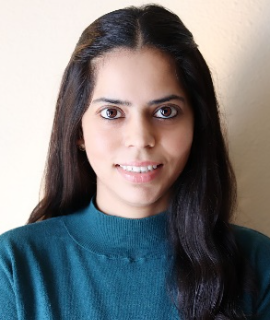
Iti Saraav
Washington University in St Louis, United States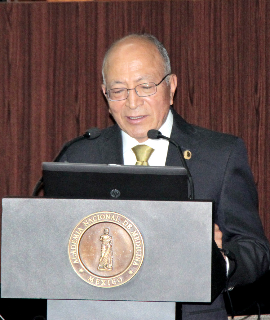
Miguel Cruz
Mexican Social Security Institute., Mexico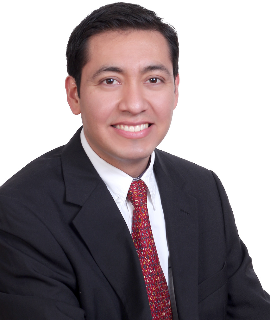
Miguel Vazquez Moreno
Mexican Social Security Institute, Mexico

Title : Multidrug resistance in burn patients
Dimple Sethi Chopra, Punjabi University, India
Title : CRISPR/Cas12a-powered ultrasensitive immunosensing for the detection of single microorganisms
Fei Deng, University of New South Wales, Australia
Title : Interpretation of non-responders to SARS CoV 2 vaccines using WHO International Standard
Xu Yang, Shanghai University of Medicine and Health Sciences, China
Title : COVID 19 pandemic; a complex mixture of co-infection and comorbidity
Hem Chandra Jha, Indian Institute of Technology Indore, India
Title : O GlcNAcylation enhances sensitivity to RSL3 induced ferroptosis via the YAP TFRC pathway in liver cancer
Abduh Murshed, Tongji University, China
Title : Applications of Artificial Intelligence in Clinical Microbiology Diagnostic Testing
P Hema Prakash Kumari, GITAM Institute of Medical Sciences and Research, India