
International Conference and Expo on
Clinical Microbiology
June 17-18, 2022 | Online Event
Immunology and Vaccination
The immune system is a critical defence mechanism that can detect and destroy an invading pathogen. Immunization prevents disease by allowing the body to respond to an attack more quickly and by boosting the immunological response to a specific pathogen. Although an ideal vaccine is simple to define, few practical vaccines come close, and many creatures for which a vaccination is the only realistic preventive strategy in the foreseeable future lack vaccines.
Vaccines use adaptive immunity and memory to expose the body to antigens without causing disease, so that when a live pathogen infects the body, the immune system responds quickly and the pathogen is prevented from causing disease. The delivery of a vaccine to aid the immune system in developing protection against a disease is known as vaccination. Vaccines comprise a weakened, live, or deceased microbe or virus, as well as proteins or toxins from the organism. They aid in the prevention of infectious disease illness by increasing the body's adaptive immunity. Vaccines are one of the most significant achievements in world health and development.
- Animal Models for Immunologic Diseases
- Breakthroughs in Immunotherapeutics
- Cellular and molecular immune responses
- Immune Responses to Vaccines
- Immunity to Infection
- Immunology Mechanisms
- Immunomodulation
- Immunopathogenesis
- Regulatory Affairs, Commercial Utilization, Policy, Safety, Epidemiology
- Therapeutic Vaccines
- Vaccine Development and Efficacy Evaluation
- Vaccine Safety, Efficacy and Clinical Trials
- Vaccine Technology
- Vaccine Vectors, Adjuvants and Immunomodulators
- Vaccines in Bioterrorism
- Viral Immunology
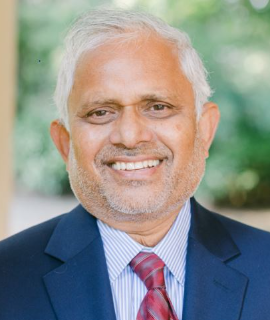
Muhammad Morshed
University of British Columbia, Canada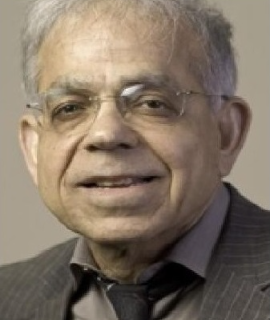
AC Matin
Stanford University, United States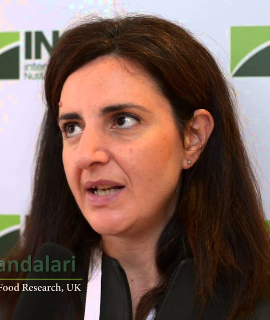
Giuseppina Mandalari
University of Messina, Italy
Adnan Alrubaye
University of Arkansas, United States
Iti Saraav
Washington University in St Louis, United States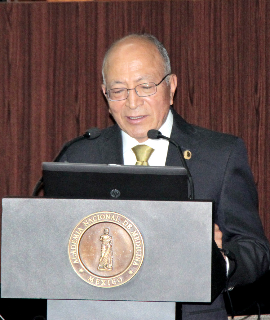
Miguel Cruz
Mexican Social Security Institute., Mexico
Miguel Vazquez Moreno
Mexican Social Security Institute, Mexico

Title : Multidrug resistance in burn patients
Dimple Sethi Chopra, Punjabi University, India
Title : CRISPR/Cas12a-powered ultrasensitive immunosensing for the detection of single microorganisms
Fei Deng, University of New South Wales, Australia
Title : Interpretation of non-responders to SARS CoV 2 vaccines using WHO International Standard
Xu Yang, Shanghai University of Medicine and Health Sciences, China
Title : COVID 19 pandemic; a complex mixture of co-infection and comorbidity
Hem Chandra Jha, Indian Institute of Technology Indore, India
Title : O GlcNAcylation enhances sensitivity to RSL3 induced ferroptosis via the YAP TFRC pathway in liver cancer
Abduh Murshed, Tongji University, China
Title : Applications of Artificial Intelligence in Clinical Microbiology Diagnostic Testing
P Hema Prakash Kumari, GITAM Institute of Medical Sciences and Research, India