
International Conference and Expo on
Clinical Microbiology
June 17-18, 2022 | Online Event
Disease Diagnosis and Diagnostics
Diagnosis is the process of identifying an injury, condition, or disease based on the signs and symptoms that an individual is exhibiting. To determine a diagnosis, diagnostic tests are performed. To aid in the diagnosis, blood testing, medical history, physical examinations, and other procedures may be employed. Diagnosing an illness is critical for avoiding problems that may emerge if the ailment is left untreated, as well as improving the efficacy of treatment regimens. The impact of diagnosis on patient treatment, research, and policy is significant. Diagnosis is a method as well as a classification scheme, or a "pre-existing set of classifications agreed upon by the medical profession to define a specific condition," according to the definition. Because clinical decision making will be tailored to a correct understanding of the patient's health problem when a diagnosis is accurate and made in a timely way, a patient has the best chance for a positive health outcome.
- Symptoms and Signs
- Disease Diagnosis
- Differential Diagnosis
- Imaging
- Diagnostic Microbiology
- Infectious Disease
- Microfluidic & Lab-On-A-Chip Technologies
- Biosensors and Biochips in Diagnostics
- Molecular Diagnostics
- Medical Screening
- Clinical Decision Support Systems
- Machine Learning and Artificial Intelligence in Diagnostics
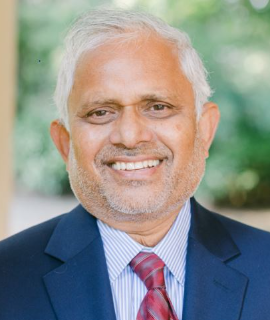
Muhammad Morshed
University of British Columbia, Canada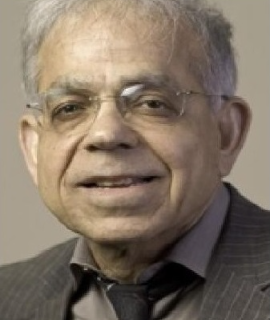
AC Matin
Stanford University, United States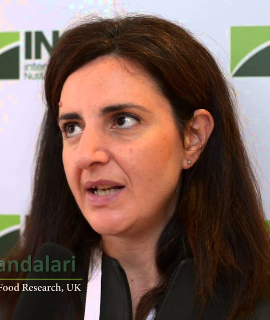
Giuseppina Mandalari
University of Messina, Italy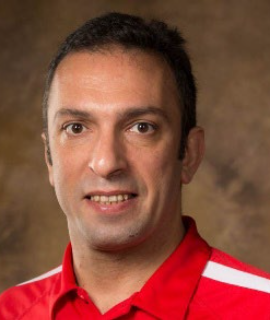
Adnan Alrubaye
University of Arkansas, United States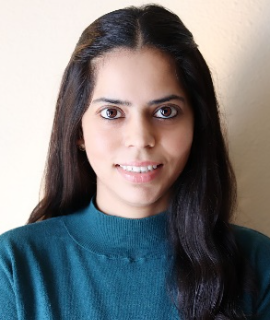
Iti Saraav
Washington University in St Louis, United States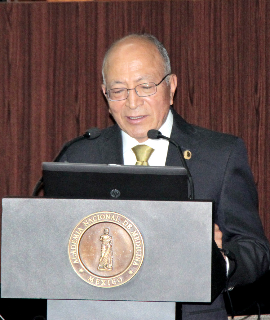
Miguel Cruz
Mexican Social Security Institute., Mexico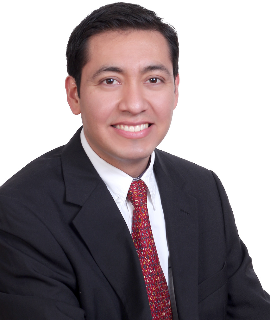
Miguel Vazquez Moreno
Mexican Social Security Institute, Mexico

Title : Multidrug resistance in burn patients
Dimple Sethi Chopra, Punjabi University, India
Title : CRISPR/Cas12a-powered ultrasensitive immunosensing for the detection of single microorganisms
Fei Deng, University of New South Wales, Australia
Title : Interpretation of non-responders to SARS CoV 2 vaccines using WHO International Standard
Xu Yang, Shanghai University of Medicine and Health Sciences, China
Title : COVID 19 pandemic; a complex mixture of co-infection and comorbidity
Hem Chandra Jha, Indian Institute of Technology Indore, India
Title : O GlcNAcylation enhances sensitivity to RSL3 induced ferroptosis via the YAP TFRC pathway in liver cancer
Abduh Murshed, Tongji University, China
Title : Applications of Artificial Intelligence in Clinical Microbiology Diagnostic Testing
P Hema Prakash Kumari, GITAM Institute of Medical Sciences and Research, India