
International Conference and Expo on
Clinical Microbiology
June 17-18, 2022 | Online Event
Gut Microbiota
Microbiome refers to the aggregate genomes of the microbes in a given environment, whereas microbiota refers to the community of microbes. The gut microbiota, a diverse and dynamic collection of microorganisms found in the human gastrointestinal (GI) tract, has a significant impact on the host during homeostasis and disease. Several variables have a role in the development of the human gut microbiota during childhood. Diet is thought to be one of the most important factors in influencing the gut microbiota throughout time. Many facets of human health, including immunological, metabolic, and neurobehavioral features, are influenced by gut microorganisms. Animal models and human research support the importance of gut microbiota in human health at various levels.
- Gastrointestinal Disease: Mechanisms, Host Defence, Diagnosis, Epidemiology
- Host-Pathogen Interactions
- Novel Treatments and Clinical Trials
- Probiotics and Prebiotics
- Profiling the Intestinal Microbiota
- Quorum Sensing and Toxicity
- Role of Intestinal Microbiota in Health and Disease
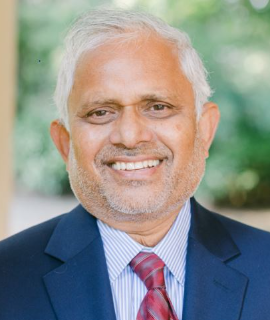
Muhammad Morshed
University of British Columbia, Canada
AC Matin
Stanford University, United States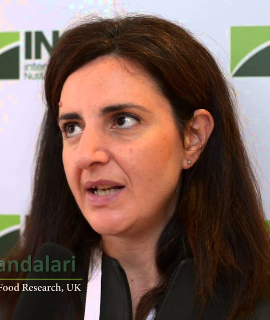
Giuseppina Mandalari
University of Messina, Italy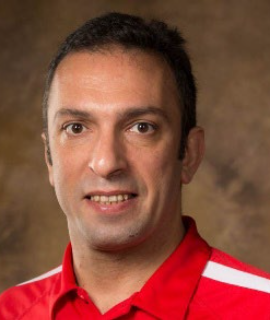
Adnan Alrubaye
University of Arkansas, United States
Iti Saraav
Washington University in St Louis, United States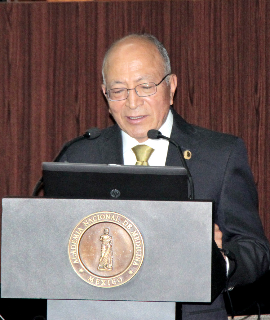
Miguel Cruz
Mexican Social Security Institute., Mexico
Miguel Vazquez Moreno
Mexican Social Security Institute, Mexico

Title : Multidrug resistance in burn patients
Dimple Sethi Chopra, Punjabi University, India
Title : CRISPR/Cas12a-powered ultrasensitive immunosensing for the detection of single microorganisms
Fei Deng, University of New South Wales, Australia
Title : Interpretation of non-responders to SARS CoV 2 vaccines using WHO International Standard
Xu Yang, Shanghai University of Medicine and Health Sciences, China
Title : COVID 19 pandemic; a complex mixture of co-infection and comorbidity
Hem Chandra Jha, Indian Institute of Technology Indore, India
Title : O GlcNAcylation enhances sensitivity to RSL3 induced ferroptosis via the YAP TFRC pathway in liver cancer
Abduh Murshed, Tongji University, China
Title : Applications of Artificial Intelligence in Clinical Microbiology Diagnostic Testing
P Hema Prakash Kumari, GITAM Institute of Medical Sciences and Research, India