
International Conference and Expo on
Clinical Microbiology
June 17-18, 2022 | Online Event
Genetics and Phenotypes of Host Susceptibility
Human genetic diversity, both common and unusual, increases susceptibility to infectious disease. Epidemiological studies have demonstrated disparities in the prevalence or severity of disease within and between populations exposed to the same infectious agent, demonstrating the importance of genetic background. In population genetic research, the genetic component (susceptibility) in infectious disease determination has been calculated, and certain susceptibility gene(s)/polymorphisms have been found. A vast number of genes appear to influence susceptibility to infectious diseases, and identifying them can provide new molecular targets for preventative and therapeutic interventions as well as provide insights into pathogenic and protective mechanisms. Immunogenetic links to infectious diseases have a lot of promise for guiding immunomodulatory therapies and vaccine development.
- Genetic Variation
- Genetic Susceptibility
- Mapping and Identifying the Relevant Genes

Muhammad Morshed
University of British Columbia, Canada
AC Matin
Stanford University, United States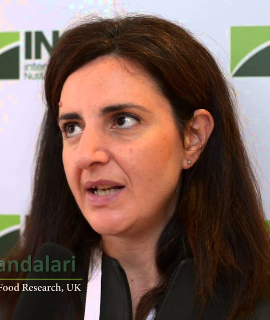
Giuseppina Mandalari
University of Messina, Italy
Adnan Alrubaye
University of Arkansas, United States
Iti Saraav
Washington University in St Louis, United States
Miguel Cruz
Mexican Social Security Institute., Mexico
Miguel Vazquez Moreno
Mexican Social Security Institute, Mexico

Title : Multidrug resistance in burn patients
Dimple Sethi Chopra, Punjabi University, India
Title : CRISPR/Cas12a-powered ultrasensitive immunosensing for the detection of single microorganisms
Fei Deng, University of New South Wales, Australia
Title : Interpretation of non-responders to SARS CoV 2 vaccines using WHO International Standard
Xu Yang, Shanghai University of Medicine and Health Sciences, China
Title : COVID 19 pandemic; a complex mixture of co-infection and comorbidity
Hem Chandra Jha, Indian Institute of Technology Indore, India
Title : O GlcNAcylation enhances sensitivity to RSL3 induced ferroptosis via the YAP TFRC pathway in liver cancer
Abduh Murshed, Tongji University, China
Title : Applications of Artificial Intelligence in Clinical Microbiology Diagnostic Testing
P Hema Prakash Kumari, GITAM Institute of Medical Sciences and Research, India