
International Conference and Expo on
Clinical Microbiology
June 17-18, 2022 | Online Event
Cancers and Role of Microbes
Microbes have a significant role in human health and disease, impacting our cancer risk among other things. Microbes and cancer cells coevolve within our bodies' ecosystems, and both rely on incoming resources to survive and reproduce. This suggests that what we eat—specifically, whether we have too much energy and nutrients—can affect the growth of cancer cells as well as microbial cells. Furthermore, through the production of factors, cancer cells and microorganisms can impact each other's replication and survival. These findings imply that interactions between cancer cells and microbial cells are crucial in the onset and progression of cancer. From the mid-eighteenth century onwards, reports of an etiological link between microorganisms and cancer have been reported. In fact, almost as soon as the link between microorganisms, such as fungus, and bacteria was established.
- Role of Bacteria in Carcinoma
- Microbes as Cancer Therapy
- Microbiome in Cancer Development
- Microbes and Cancer
- Understanding Microbe-Induced Cancers
- Microorganisms in the Treatment of Cancer

Muhammad Morshed
University of British Columbia, Canada
AC Matin
Stanford University, United States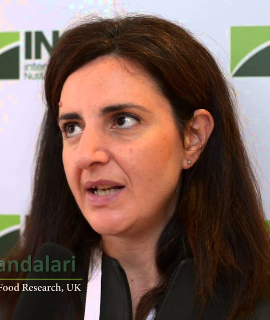
Giuseppina Mandalari
University of Messina, Italy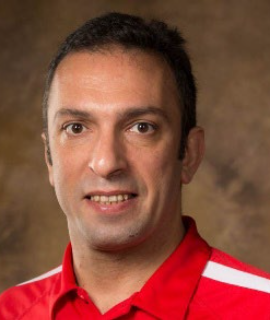
Adnan Alrubaye
University of Arkansas, United States
Iti Saraav
Washington University in St Louis, United States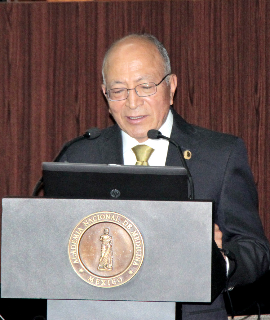
Miguel Cruz
Mexican Social Security Institute., Mexico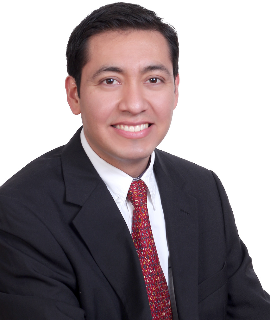
Miguel Vazquez Moreno
Mexican Social Security Institute, Mexico

Title : Multidrug resistance in burn patients
Dimple Sethi Chopra, Punjabi University, India
Title : CRISPR/Cas12a-powered ultrasensitive immunosensing for the detection of single microorganisms
Fei Deng, University of New South Wales, Australia
Title : Interpretation of non-responders to SARS CoV 2 vaccines using WHO International Standard
Xu Yang, Shanghai University of Medicine and Health Sciences, China
Title : COVID 19 pandemic; a complex mixture of co-infection and comorbidity
Hem Chandra Jha, Indian Institute of Technology Indore, India
Title : O GlcNAcylation enhances sensitivity to RSL3 induced ferroptosis via the YAP TFRC pathway in liver cancer
Abduh Murshed, Tongji University, China
Title : Applications of Artificial Intelligence in Clinical Microbiology Diagnostic Testing
P Hema Prakash Kumari, GITAM Institute of Medical Sciences and Research, India