
International Conference and Expo on
Clinical Microbiology
June 17-18, 2022 | Online Event
Covid-19 and SARS
Covid-19 and SARS
Coronaviruses are a broad group of viruses that infect a wide range of animals, as well as people, and can cause mild to severe respiratory illnesses. Two highly pathogenic coronaviruses with zoonotic origin, severe acute respiratory syndrome coronavirus (SARS-CoV) and Middle East respiratory syndrome coronavirus (MERS-CoV), respectively, emerged in humans and caused fatal respiratory illness in 2002 and 2012, bringing emerging coronaviruses into the twenty-first century as a new public health concern. SARS-CoV-2, a novel coronavirus, was identified as the source of a viral pneumonia outbreak in Wuhan, China, in January 2020. The disease, which was later dubbed coronavirus disease 2019 (COVID-19), quickly spread over the world.
- Animal Host and Spill Over
- Clinical and Epidemiological Features
- Diagnosis and Treatments
- Emergence and Spread
- Future Perspectives
- Genomics, Phylogeny and Taxonomy
- Mutants and Variants
- Receptor Use and Pathogenesis
- Therapeutic Opportunities
- Vaccine and Antivirals Development
Committee Members

Muhammad Morshed
University of British Columbia, Canada
AC Matin
Stanford University, United States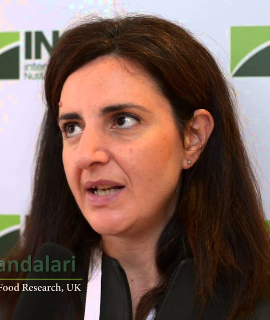
Giuseppina Mandalari
University of Messina, Italy ICCM 2022 Speakers
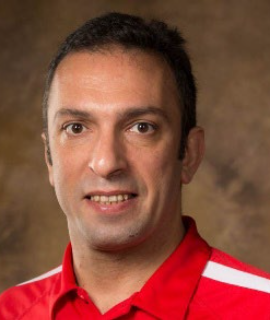
Adnan Alrubaye
University of Arkansas, United States
Iti Saraav
Washington University in St Louis, United States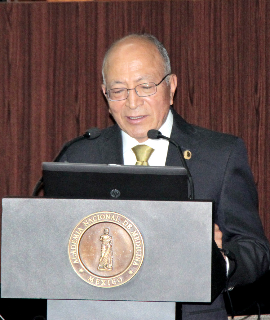
Miguel Cruz
Mexican Social Security Institute., Mexico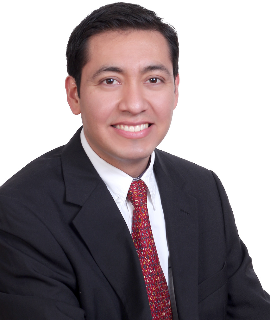
Miguel Vazquez Moreno
Mexican Social Security Institute, Mexico

Title : Multidrug resistance in burn patients
Dimple Sethi Chopra, Punjabi University, India
Title : CRISPR/Cas12a-powered ultrasensitive immunosensing for the detection of single microorganisms
Fei Deng, University of New South Wales, Australia
Title : Interpretation of non-responders to SARS CoV 2 vaccines using WHO International Standard
Xu Yang, Shanghai University of Medicine and Health Sciences, China
Title : COVID 19 pandemic; a complex mixture of co-infection and comorbidity
Hem Chandra Jha, Indian Institute of Technology Indore, India
Title : O GlcNAcylation enhances sensitivity to RSL3 induced ferroptosis via the YAP TFRC pathway in liver cancer
Abduh Murshed, Tongji University, China
Title : Applications of Artificial Intelligence in Clinical Microbiology Diagnostic Testing
P Hema Prakash Kumari, GITAM Institute of Medical Sciences and Research, India