
International Conference and Expo on
Clinical Microbiology
June 17-18, 2022 | Online Event
Rare Infectious Diseases
A condition that affects fewer than 5 people per 10,000 people in the EU is considered rare. This may appear insignificant, yet it represents around 246,000 people. The vast majority of the people suffering from much rarer conditions affects one in 100,000 or more persons. Infectious diseases are conditions brought on by bacteria, viruses, fungus, or parasites. Our bodies are home to a variety of microbes. In most cases, they're innocuous or even beneficial. However, some microbes can cause disease under certain circumstances. Some infectious diseases are contagious and can be spread from one person to the next. Insects and other animals can spread several diseases. Microscopic organisms cross the body's natural barriers and multiply, causing a variety of symptoms ranging from minor to fatal. Despite the eradication or control of many infectious diseases, humanity remains vulnerable to a wide spectrum of novel and resurgent infections.
- Rare Bacterial Infections
- Rare Viral Infections
- Rare Fungal Infections
- Rare Algal Infections
- Reporting and Surveillance
- Rare Communicable Diseases
- Rare Diseases of Public Health Significance
- Rare Zoonotic Infections

Muhammad Morshed
University of British Columbia, Canada
AC Matin
Stanford University, United States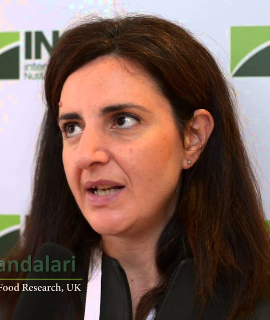
Giuseppina Mandalari
University of Messina, Italy
Adnan Alrubaye
University of Arkansas, United States
Iti Saraav
Washington University in St Louis, United States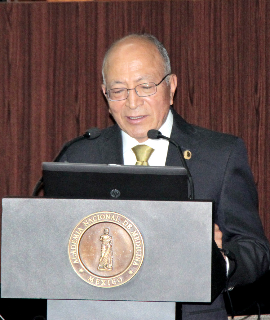
Miguel Cruz
Mexican Social Security Institute., Mexico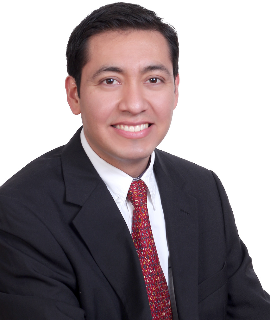
Miguel Vazquez Moreno
Mexican Social Security Institute, Mexico

Title : Multidrug resistance in burn patients
Dimple Sethi Chopra, Punjabi University, India
Title : CRISPR/Cas12a-powered ultrasensitive immunosensing for the detection of single microorganisms
Fei Deng, University of New South Wales, Australia
Title : Interpretation of non-responders to SARS CoV 2 vaccines using WHO International Standard
Xu Yang, Shanghai University of Medicine and Health Sciences, China
Title : COVID 19 pandemic; a complex mixture of co-infection and comorbidity
Hem Chandra Jha, Indian Institute of Technology Indore, India
Title : O GlcNAcylation enhances sensitivity to RSL3 induced ferroptosis via the YAP TFRC pathway in liver cancer
Abduh Murshed, Tongji University, China
Title : Applications of Artificial Intelligence in Clinical Microbiology Diagnostic Testing
P Hema Prakash Kumari, GITAM Institute of Medical Sciences and Research, India