
International Conference and Expo on
Clinical Microbiology
June 17-18, 2022 | Online Event
Microbial Biofilms
Microorganisms live in biofilms that adhere to biotic and abiotic surfaces in most natural, clinical, and industrial settings. Biofilms are formed when microorganisms attach to surfaces. Biofilm is a complex microbiome structure that adheres to the surface and contains different bacterial colonies or single types of cells in a group. One of the implications of bacterial biofilm communities, which contribute to chronic diseases, is bacterial antibiotic resistance. Biofilms are clusters of microbial cells that are attached to a surface in a virtually irreversible manner, i.e., they cannot be removed by gently lifting the surface. Biofilms can form on living or non-living surfaces and can be found in a variety of environments, including natural, industrial, and hospital settings. Planktonic cells of the same organism, on the other hand, are single cells that float or swim in a liquid media and are physiologically separate from microbial cells developing in a biofilm. Biofilms can build as dental plaque on the teeth of most mammals, causing tooth decay and gum disease.
- Antiadhesive Materials
- Antibiofilm Agents
- Antibiofilm Strategies
- Biofilm-Related Infections
- Ex Vivo Models
- In Vivo Models
- Lung Infections
- Persisters
- Quorum Sensing
- Wound Infections
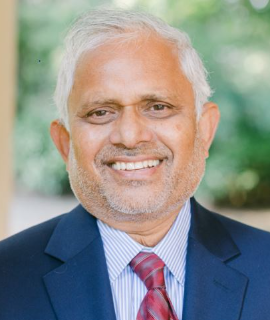
Muhammad Morshed
University of British Columbia, Canada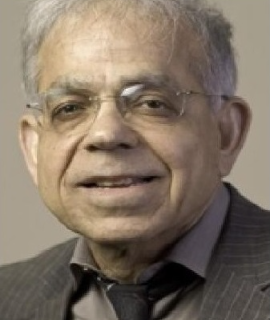
AC Matin
Stanford University, United States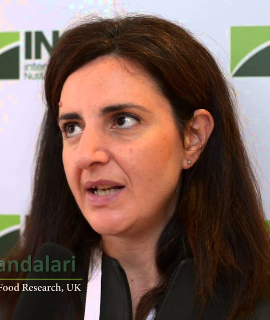
Giuseppina Mandalari
University of Messina, Italy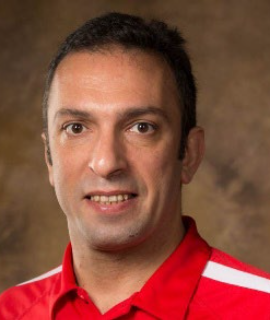
Adnan Alrubaye
University of Arkansas, United States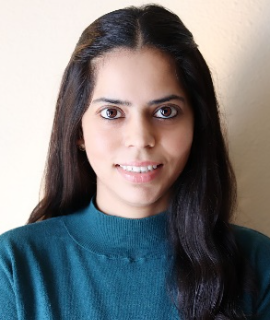
Iti Saraav
Washington University in St Louis, United States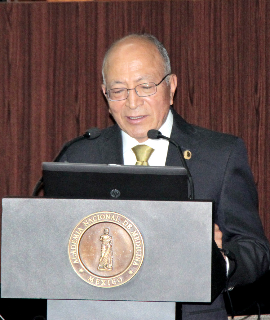
Miguel Cruz
Mexican Social Security Institute., Mexico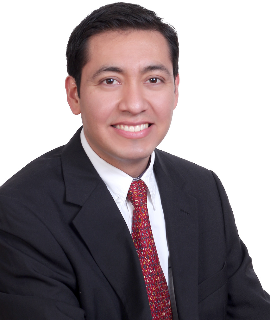
Miguel Vazquez Moreno
Mexican Social Security Institute, Mexico

Title : Multidrug resistance in burn patients
Dimple Sethi Chopra, Punjabi University, India
Title : CRISPR/Cas12a-powered ultrasensitive immunosensing for the detection of single microorganisms
Fei Deng, University of New South Wales, Australia
Title : Interpretation of non-responders to SARS CoV 2 vaccines using WHO International Standard
Xu Yang, Shanghai University of Medicine and Health Sciences, China
Title : COVID 19 pandemic; a complex mixture of co-infection and comorbidity
Hem Chandra Jha, Indian Institute of Technology Indore, India
Title : O GlcNAcylation enhances sensitivity to RSL3 induced ferroptosis via the YAP TFRC pathway in liver cancer
Abduh Murshed, Tongji University, China
Title : Applications of Artificial Intelligence in Clinical Microbiology Diagnostic Testing
P Hema Prakash Kumari, GITAM Institute of Medical Sciences and Research, India