
International Conference and Expo on
Clinical Microbiology
June 17-18, 2022 | Online Event
Bacteriology
Bacteriology
Bacteria are single-celled microorganisms with no nuclear membrane, metabolic activity, and binary fission division. In terms of medicine, they are a major source of disease. Bacteria appear to be simple forms of life on the surface, but they are smart and adaptive organisms. Bacteriology is a branch of science. It's a subfield of microbiology that studies bacteria. The majority of diseases with a bacteriologic aetiology have been known for hundreds of years. Medical researchers have been focusing on pathogenic processes and host defences in recent years. Understanding the underlying properties of the bacteria, the host, and their interactions is required to comprehend host-parasite connections involving specific infections.
- Bacterial Toxins
- Bacteriophages
- Bio-Pesticides and Bio-Fertilizers
- Cell Surfaces
- Emerging and Re-Emerging Bacterial Pathogens
- Enzymes and Proteins
- Food Microbiology
- Host Microorganisms Interactions
- Genetics and Molecular Biology
- Industrial Microbiology
- Pathogens
- Physiology and Metabolism
- Plant Microbiology
- Plasmids and Transposons
- Population Genetics and Evolution
Committee Members
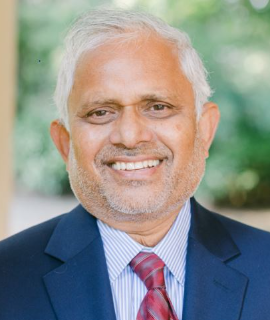
Muhammad Morshed
University of British Columbia, Canada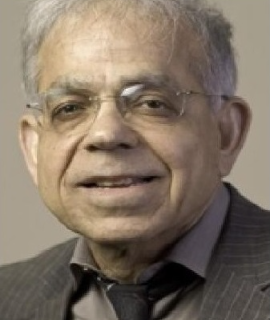
AC Matin
Stanford University, United States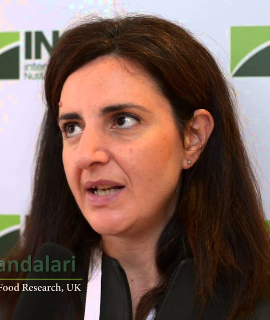
Giuseppina Mandalari
University of Messina, Italy ICCM 2022 Speakers
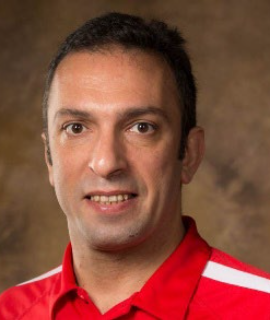
Adnan Alrubaye
University of Arkansas, United States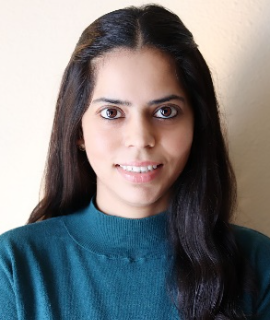
Iti Saraav
Washington University in St Louis, United States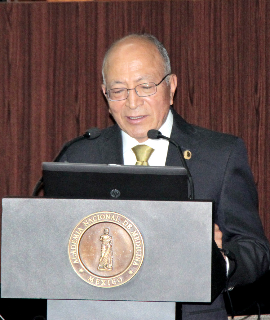
Miguel Cruz
Mexican Social Security Institute., Mexico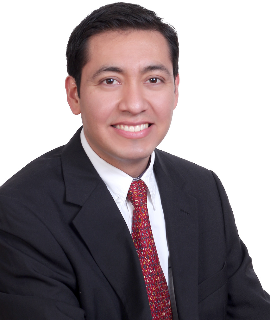
Miguel Vazquez Moreno
Mexican Social Security Institute, Mexico

Title : Multidrug resistance in burn patients
Dimple Sethi Chopra, Punjabi University, India
Title : CRISPR/Cas12a-powered ultrasensitive immunosensing for the detection of single microorganisms
Fei Deng, University of New South Wales, Australia
Title : Interpretation of non-responders to SARS CoV 2 vaccines using WHO International Standard
Xu Yang, Shanghai University of Medicine and Health Sciences, China
Title : COVID 19 pandemic; a complex mixture of co-infection and comorbidity
Hem Chandra Jha, Indian Institute of Technology Indore, India
Title : O GlcNAcylation enhances sensitivity to RSL3 induced ferroptosis via the YAP TFRC pathway in liver cancer
Abduh Murshed, Tongji University, China
Title : Applications of Artificial Intelligence in Clinical Microbiology Diagnostic Testing
P Hema Prakash Kumari, GITAM Institute of Medical Sciences and Research, India