
International Conference and Expo on
Clinical Microbiology
June 17-18, 2022 | Online Event
Emerging Zoonotic and Environmental Diseases
Zoonotic diseases are infectious diseases transmitted spontaneously from vertebrates to humans and vice versa. Bacteria, parasites, fungi, viruses, and prions are among the pathogenic agents that cause them. Despite the fact that they have been known for centuries, their impact on public health has grown in recent decades as a result of a combination of success in reducing the spread of human infectious diseases through vaccination and effective therapies, as well as the emergence of novel zoonotic diseases.
When you are exposed to toxins or compounds in the environment that make you unwell, you may develop an environmental disease. These health risks could exist everywhere you live, work, or play. Some substances can induce environmental disease if they are exposed to them. Environmental diseases are diseases that can be directly linked to environmental conditions, according to epidemiology (as distinct from genetic factors or infection). Apart from pure monogenic genetic disorders, which are uncommon, the environment is a primary factor of disease progression.
- Pathogenesis of Emerging Zoonotic
- Emerging Viruses
- Neglected Viruses
- Zoonoses
- Epidemiology
- Pathogenesis
- Prioritizing Emerging Zoonoses
- Environmental Threats to Human Health
- Air/Soil/Water Pollution and Human Health
- Exposure to Environmental Pollutants
- Human Organ Pathophysiology

Muhammad Morshed
University of British Columbia, Canada
AC Matin
Stanford University, United States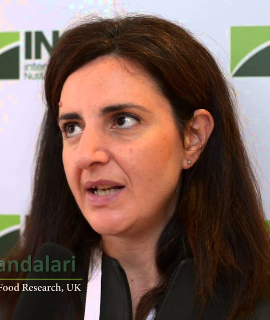
Giuseppina Mandalari
University of Messina, Italy
Adnan Alrubaye
University of Arkansas, United States
Iti Saraav
Washington University in St Louis, United States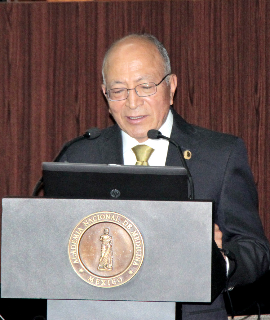
Miguel Cruz
Mexican Social Security Institute., Mexico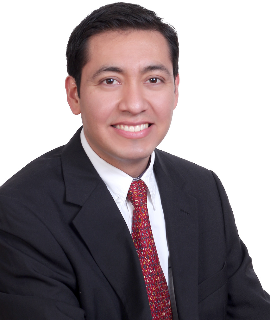
Miguel Vazquez Moreno
Mexican Social Security Institute, Mexico

Title : Multidrug resistance in burn patients
Dimple Sethi Chopra, Punjabi University, India
Title : CRISPR/Cas12a-powered ultrasensitive immunosensing for the detection of single microorganisms
Fei Deng, University of New South Wales, Australia
Title : Interpretation of non-responders to SARS CoV 2 vaccines using WHO International Standard
Xu Yang, Shanghai University of Medicine and Health Sciences, China
Title : COVID 19 pandemic; a complex mixture of co-infection and comorbidity
Hem Chandra Jha, Indian Institute of Technology Indore, India
Title : O GlcNAcylation enhances sensitivity to RSL3 induced ferroptosis via the YAP TFRC pathway in liver cancer
Abduh Murshed, Tongji University, China
Title : Applications of Artificial Intelligence in Clinical Microbiology Diagnostic Testing
P Hema Prakash Kumari, GITAM Institute of Medical Sciences and Research, India