
International Conference and Expo on
Clinical Microbiology
June 17-18, 2022 | Online Event
Pathogenic Mechanisms
Pathogenic bacteria use a variety of ways to infect human hosts and cause disease. Bacterial pathogens produce a number of molecules that bind to host cell targets, allowing them to support a variety of host responses. Bacterial molecular mechanisms for interacting with the host might be unique to certain pathogens or conserved across multiple species. The underlying causes set in motion the pathogenic mechanisms of a disease (or condition), which if regulated would allow the disease to be averted. Epidemiological observations are frequently used to identify a potential cause before a pathological link between the cause and the disease can be established. In the interdisciplinary topic of molecular pathological epidemiology, the pathological perspective can be immediately integrated into an epidemiological approach. By correlating a putative risk factor to molecular pathologic markers of a disease, molecular pathological epidemiology can aid in determining aetiology and causality. As a result, the molecular pathological epidemiology paradigm has the potential to enhance the field of causal inference.
- Genetic Studies
- Host Susceptibility or Resistance
- Identification, Cloning and Sequencing of Relevant Genes
- Immune Mechanisms
- Microbiota
- Pathogenesis
- Systems Biology Related to Infectious Diseases
- Virulence Factors
- Viruses, Prokaryotic Organisms and Protozoa

Muhammad Morshed
University of British Columbia, Canada
AC Matin
Stanford University, United States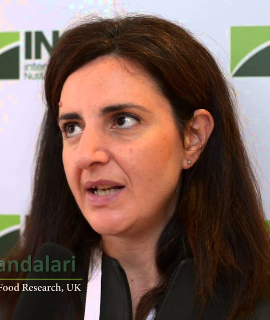
Giuseppina Mandalari
University of Messina, Italy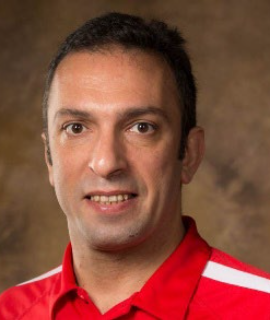
Adnan Alrubaye
University of Arkansas, United States
Iti Saraav
Washington University in St Louis, United States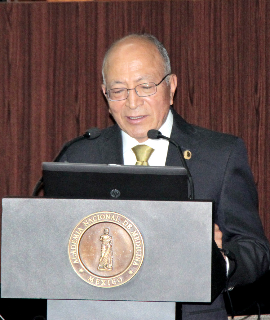
Miguel Cruz
Mexican Social Security Institute., Mexico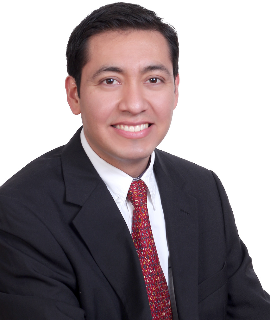
Miguel Vazquez Moreno
Mexican Social Security Institute, Mexico

Title : Multidrug resistance in burn patients
Dimple Sethi Chopra, Punjabi University, India
Title : CRISPR/Cas12a-powered ultrasensitive immunosensing for the detection of single microorganisms
Fei Deng, University of New South Wales, Australia
Title : Interpretation of non-responders to SARS CoV 2 vaccines using WHO International Standard
Xu Yang, Shanghai University of Medicine and Health Sciences, China
Title : COVID 19 pandemic; a complex mixture of co-infection and comorbidity
Hem Chandra Jha, Indian Institute of Technology Indore, India
Title : O GlcNAcylation enhances sensitivity to RSL3 induced ferroptosis via the YAP TFRC pathway in liver cancer
Abduh Murshed, Tongji University, China
Title : Applications of Artificial Intelligence in Clinical Microbiology Diagnostic Testing
P Hema Prakash Kumari, GITAM Institute of Medical Sciences and Research, India